Solo Travel Safety: What I’ve Learned After 16 Years on the Road
Solo travel gets romanticized a lot.
And don’t get me wrong — it is romantic.
Sunrise bus rides. New cities. Learning how capable you actually are.
But solo travel also requires awareness.
After living in 8 countries and traveling through 50+ more, here’s what 16 years on the road has taught me:
Safety isn’t about being scared.
It’s about being prepared.
And that mindset starts long before you step on the plane.
Here’s what that preparation actually looks like for me.
1. Do Your Research — But Don’t Spiral
Before I land anywhere, I check:
Neighborhood safety
Common scams
Transportation options from the airport
Local emergency numbers
Cultural expectations (especially for women)
And as a Canadian, I always check the official Government of Canada travel advisory site (https://travel.gc.ca/travelling/advisories) before I go.
It gives you:
Risk level
Regional warnings
Entry requirements
Safety updates
Political or environmental concerns
It’s factual. It’s updated. And it removes guesswork.
But here’s the key:
Research to prepare — not to panic.
Every country has headlines. Most places also have millions of locals just living their lives.
Know what to watch for.
Then go experience the place.
💡 JD’s Tip:
Check your government’s official travel advisory website before booking.
It’s the fastest way to get clear, updated safety information without the drama.
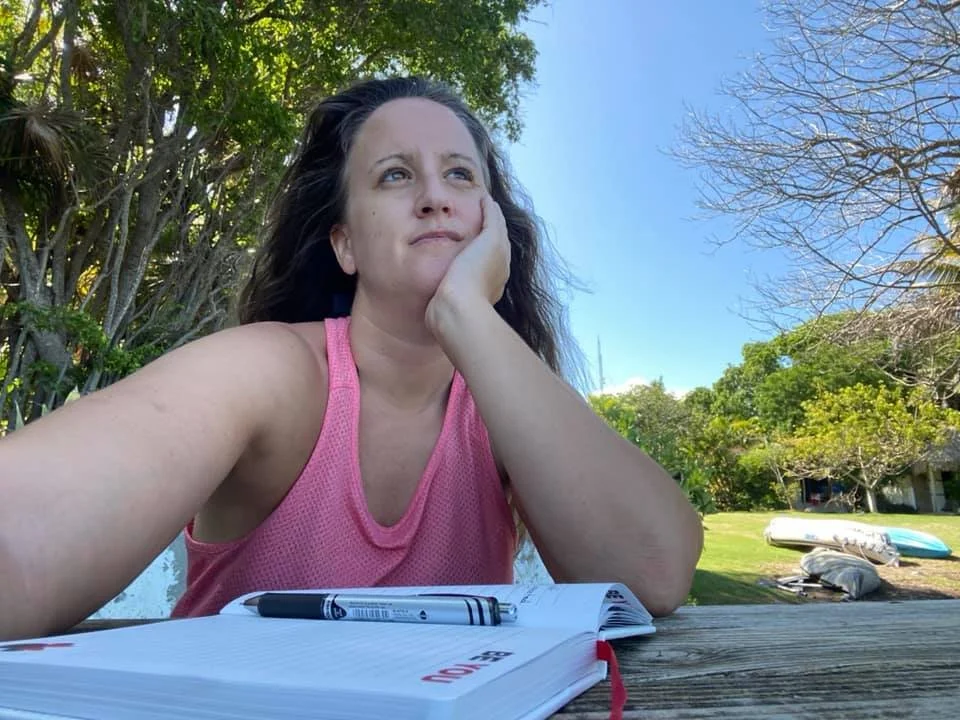
Research isn’t fear — it’s preparation. I always check safety updates before I book.
2. Share Your Location (Even If It Feels Dramatic)
I always:
Send my accommodation address to someone
Share flight details
Drop a quick “I made it” text
Sometimes share live location if I’m heading somewhere remote
It takes 30 seconds.
It adds a layer of safety.
You don’t need to be paranoid.
You just need someone who would notice if you didn’t check in.
💡 JD’s Tip:
The safest travel plan is the one where someone always knows where you are.
Even a quick text goes a long way.
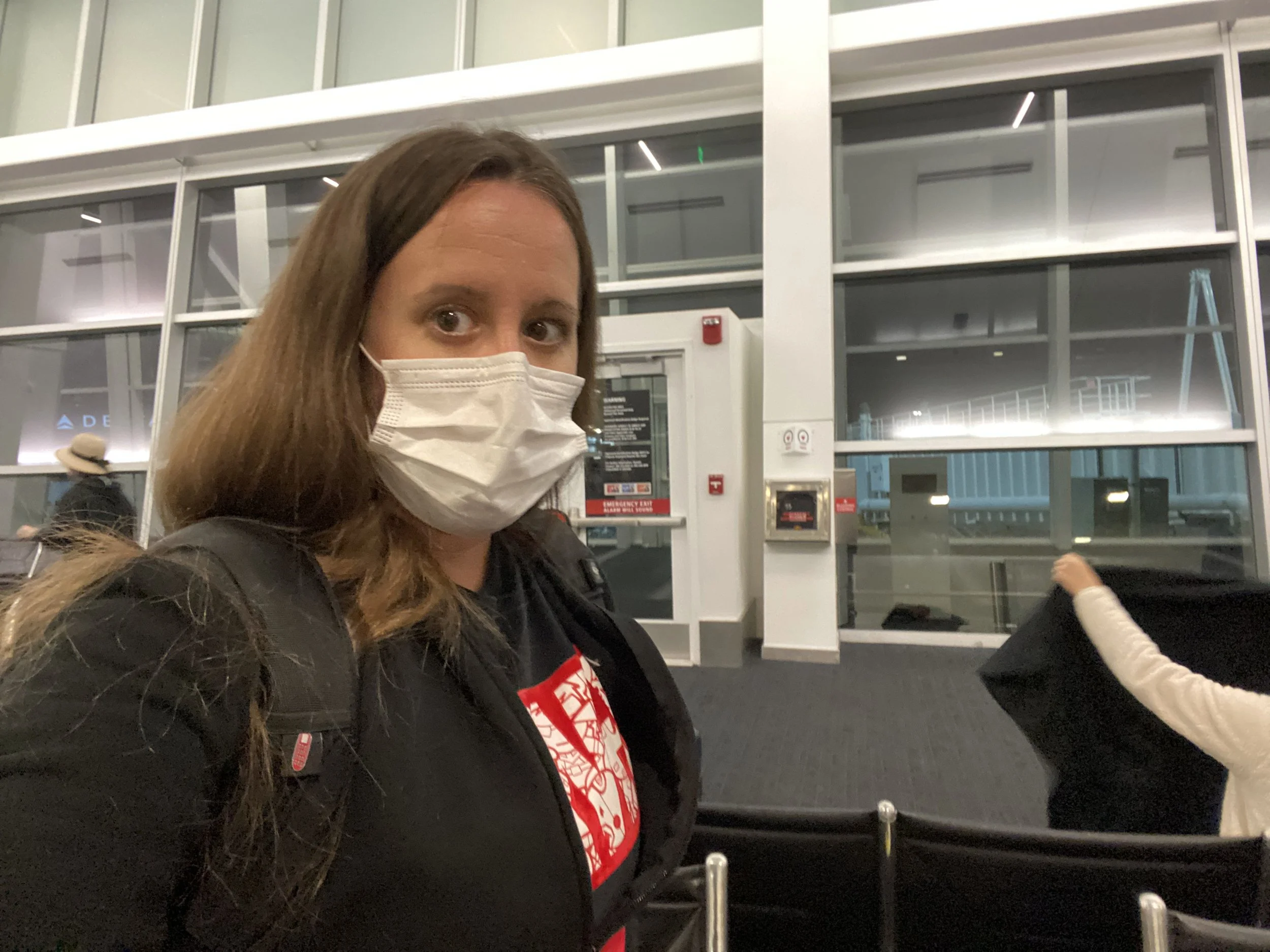
Pre-flight check-in. A quick photo to my mom before takeoff.
3. Trust the Gut Feeling You’ve Been Taught to Ignore
If something feels off:
Leave.
Change seats.
Switch accommodations.
Cancel the tour.
Walk into a store.
Get in a taxi.
You don’t owe politeness to discomfort.
The older I get, the more I realize:
My intuition has never been wrong — only ignored.
💡 JD’s Tip:
You can always rebook a hostel.
You can’t rebook your safety.

Trust your instincts. They notice things before your brain does.
4. Look Like You Belong (Even When You Don’t)
Some practical habits I use:
Walk with purpose
Don’t stop in the middle of sidewalks to check my phone
Step into a shop if I need directions
Avoid flashing large amounts of cash
Keep my phone in a front pocket or crossbody bag
Wear my backpack on my front in crowded transport
Do I look like a tourist sometimes? Absolutely.
But I don’t look lost.
And there’s a difference.
💡 JD’s Tip:
Stand tall. Slow your pace. Lift your chin.
Body language is louder than a map in your hand.
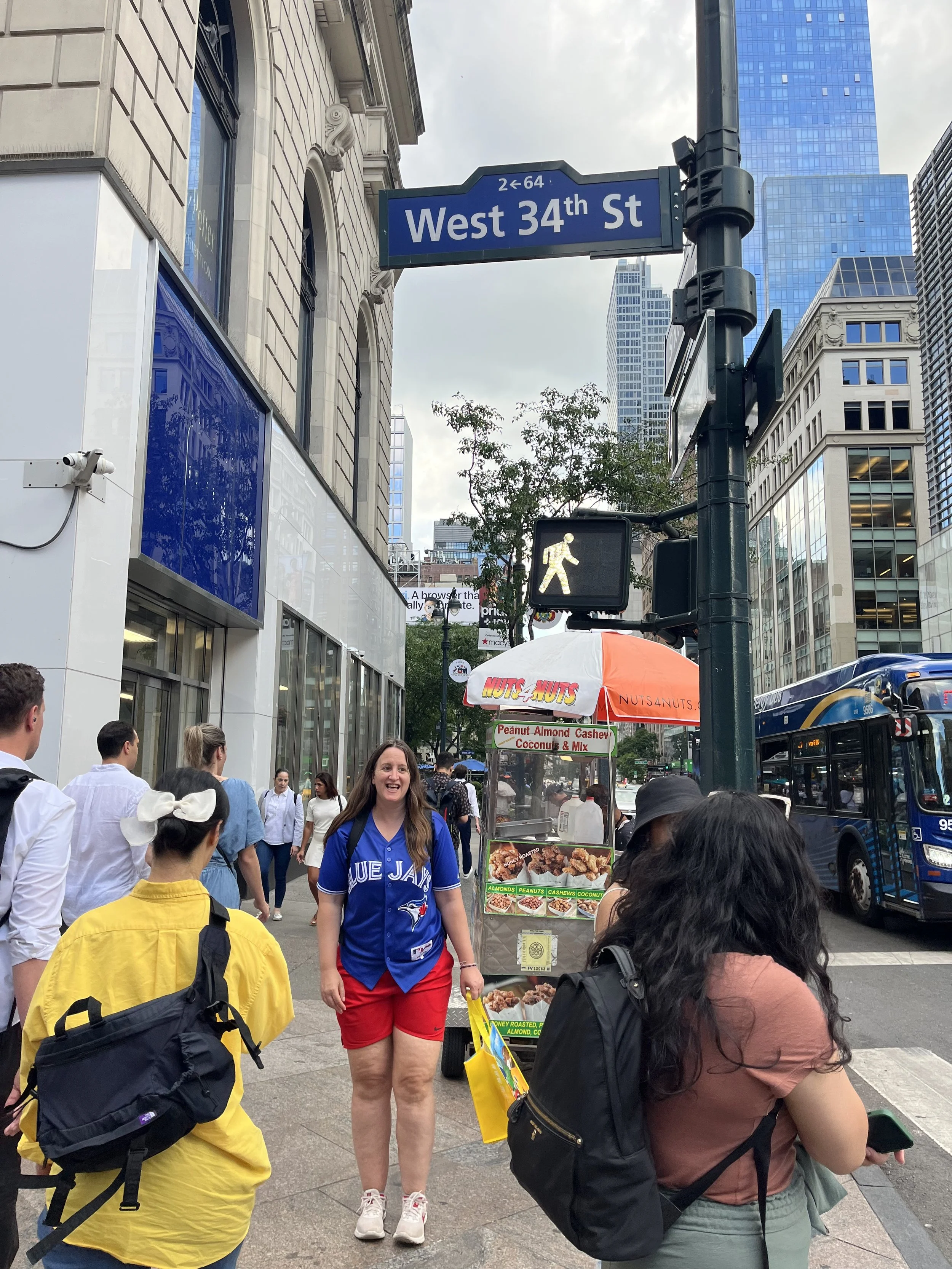
In cities like New York, blending in is about pace. Head up. Move forward. Don’t hesitate.
5. Know Your Transportation Plan Before Night
I try not to “figure it out” after dark.
Before heading out, I ask:
How am I getting home?
Is Uber available?
Is this area safe at night?
What time does public transport stop?
It’s not about staying inside.
It’s about eliminating unnecessary chaos.
💡 JD’s Tip:
Have your ride home sorted before you head out.
Confidence feels different when you already know your exit plan.
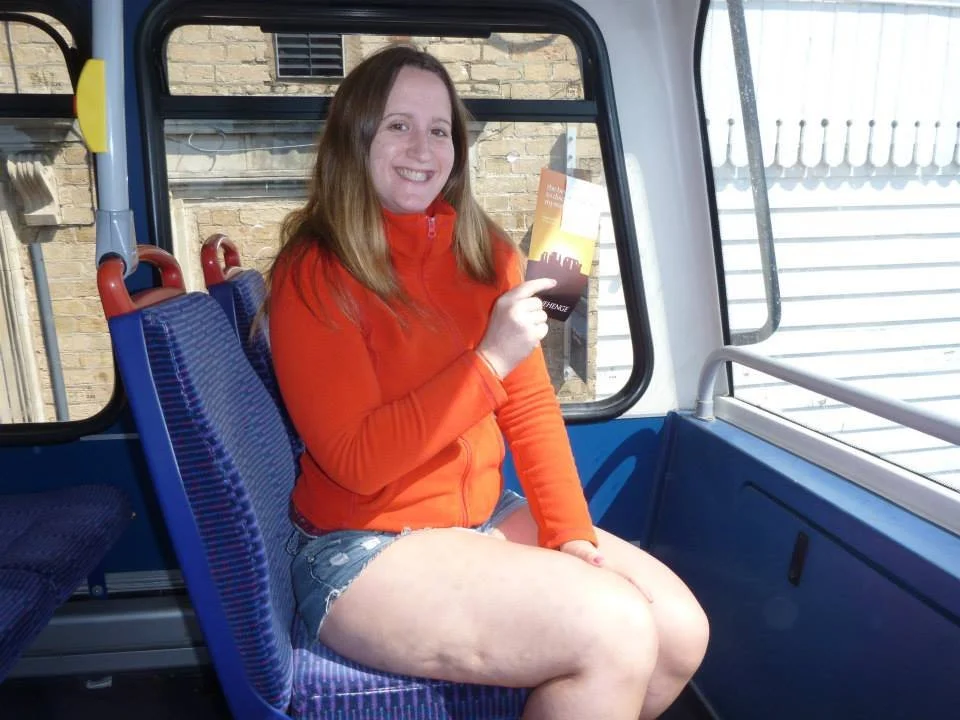
On my way to Stonehenge — ride planned before I ever left the hostel.
6. Dress Smart for the Culture You’re In
This isn’t about judgment.
It’s about blending in.
In some places, I’ve covered shoulders.
In others, I’ve worn beach clothes.
The goal isn’t to shrink yourself — it’s to understand context.
Blending in reduces attention.
Less attention = less risk.
It’s not about restriction. It’s about strategy.
💡 JD’s Tip:
You don’t have to change who you are.
But adjusting to your surroundings can change your experience.

Covered shoulders. Covered knees. Not restriction — just respect.
7. Alcohol Changes Everything
I’m not saying don’t drink.
I’m saying:
Be aware.
When I travel solo:
I don’t leave drinks unattended.
I don’t overdo it.
I know how I’m getting home before I even order my first drink.
Fun is fun.
Vulnerability isn’t.
💡 JD’s Tip:
Have your ride home planned before your first drink — not after your third.
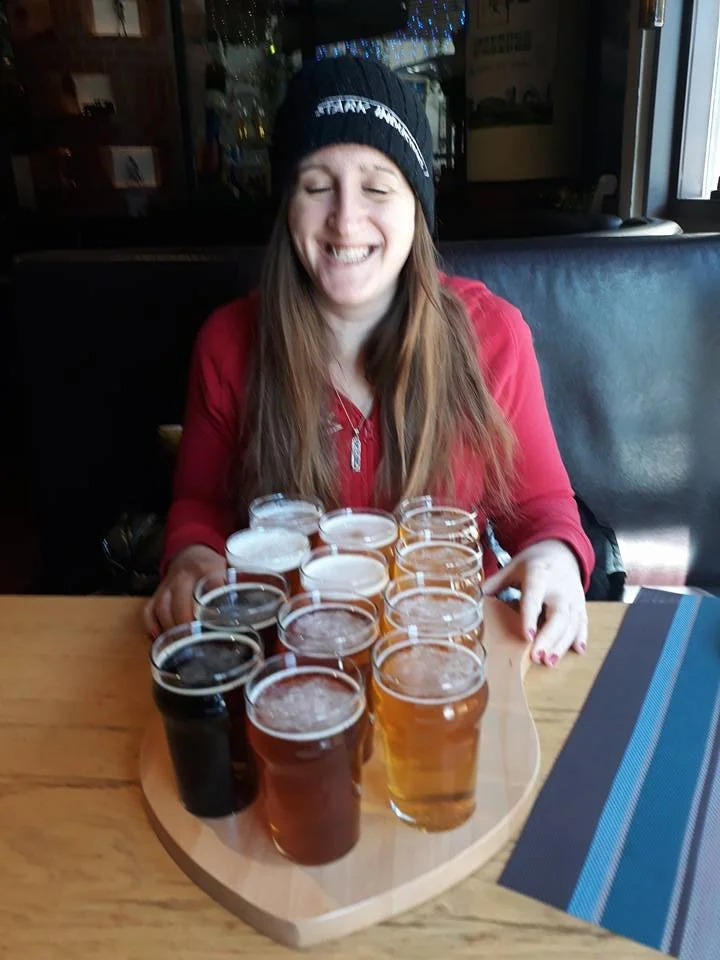
Beer tasting? Absolutely. Overdoing it alone? Never.
8. Carry What Makes You Feel Safe
For some women that’s:
A door stop alarm
A whistle
A personal alarm
A portable lock
Screenshot copies of passports
Cash separated in different bags
The item doesn’t matter.
The feeling does.
If carrying something gives you confidence — carry it.
💡 JD’s Tip:
Peace of mind weighs less than regret.
Pack what helps you relax.
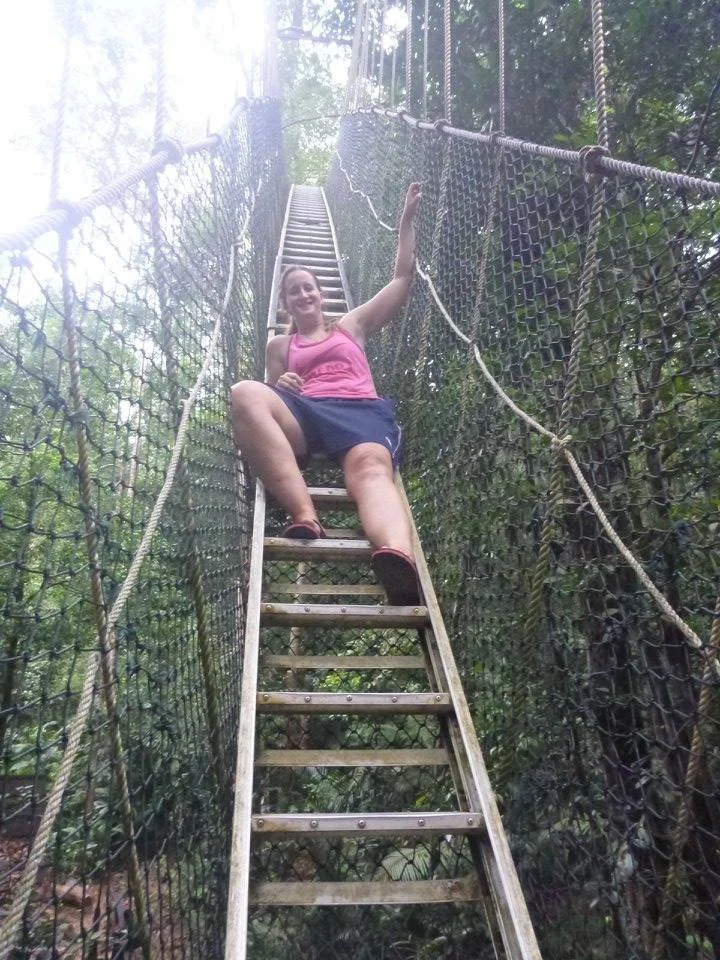
Safety doesn’t stop adventure. It supports it.
9. Don’t Let Fear Cancel Your Dreams
Here’s the truth:
I’ve had uncomfortable moments.
But I’ve had infinitely more:
Kind strangers
Locals helping me when I was lost
Taxi drivers protecting me
Women pulling me into their circles
Men walking me to my hostel safely
The world isn’t perfect.
But it isn’t purely dangerous either.
Fear should inform you.
But it doesn’t get to run your life.
💡 JD’s Tip:
Fear can guide you.
It doesn’t get to decide for you.
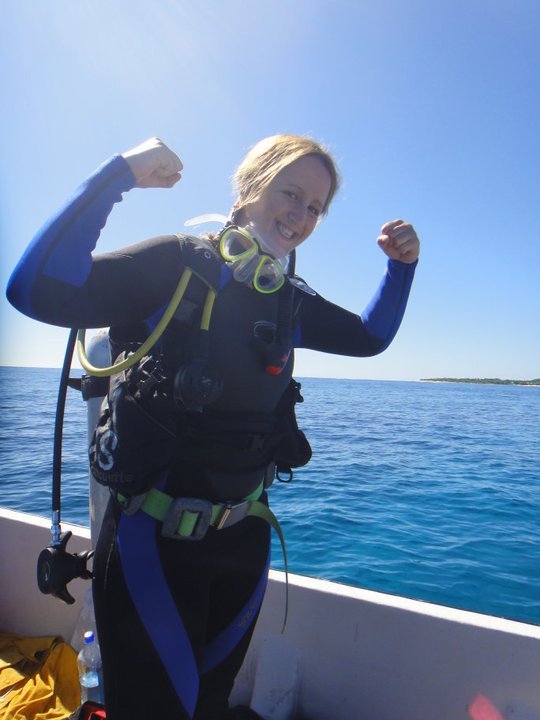
A little fear is normal. It just doesn’t get to run the show.
Final Thoughts
Solo travel changed my life.
It taught me:
How capable I am.
How to solve problems.
How to sit alone in a pub without feeling awkward.
How to navigate cities I couldn’t pronounce.
Safety isn’t about eliminating risk.
It’s about moving through the world intentionally.
And the more you travel solo, the more you realize:
You are far more powerful than you think.
💡 JD’s Tip:
Solo travel isn’t about being fearless.
It’s about being prepared and still going anyway.
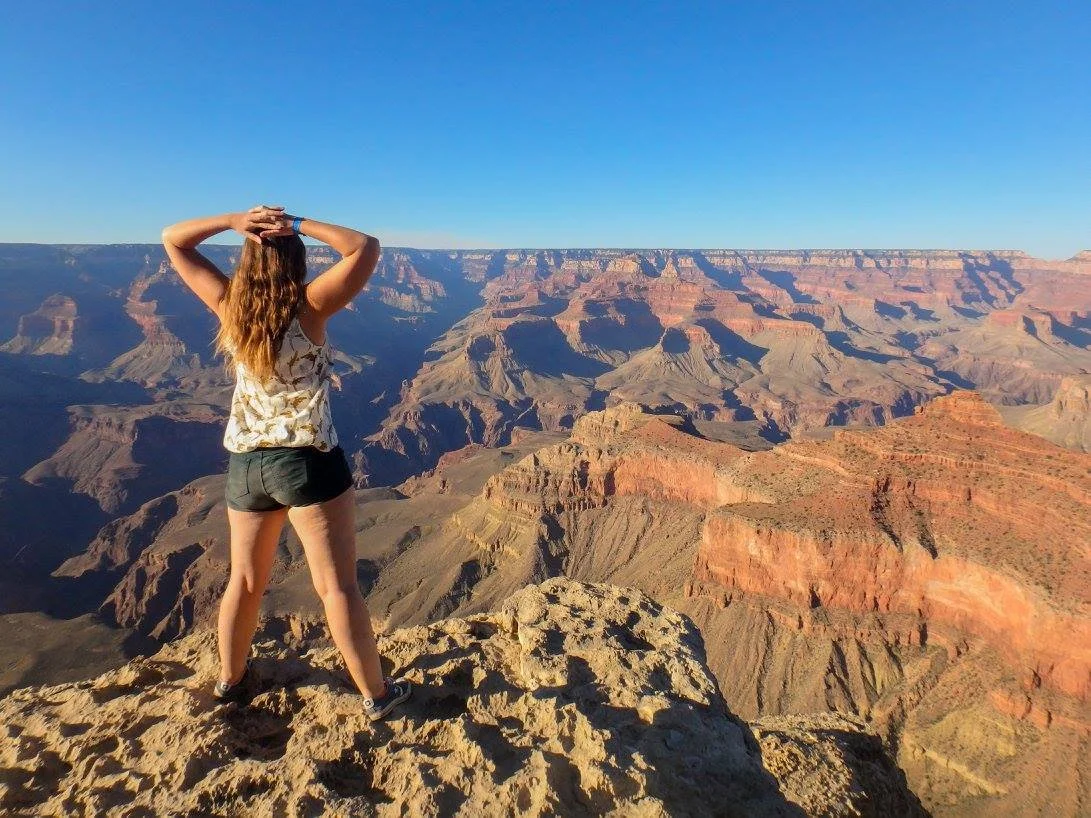
The world is big. You are capable of meeting it.
If you’re considering your first solo trip this year — let this be your sign.
Prepare smart.
Walk confident.
Text someone you trust.
And go.
